
Latest advancements
We are committed to bringing the latest advancements in ENT and micro ear surgery directly to our patients.
Stem Cell Therapy
Stem cells are unspecialized cells with the unique ability to develop into various types of specialized cells. In the context of inner ear therapy, they can potentially differentiate into:
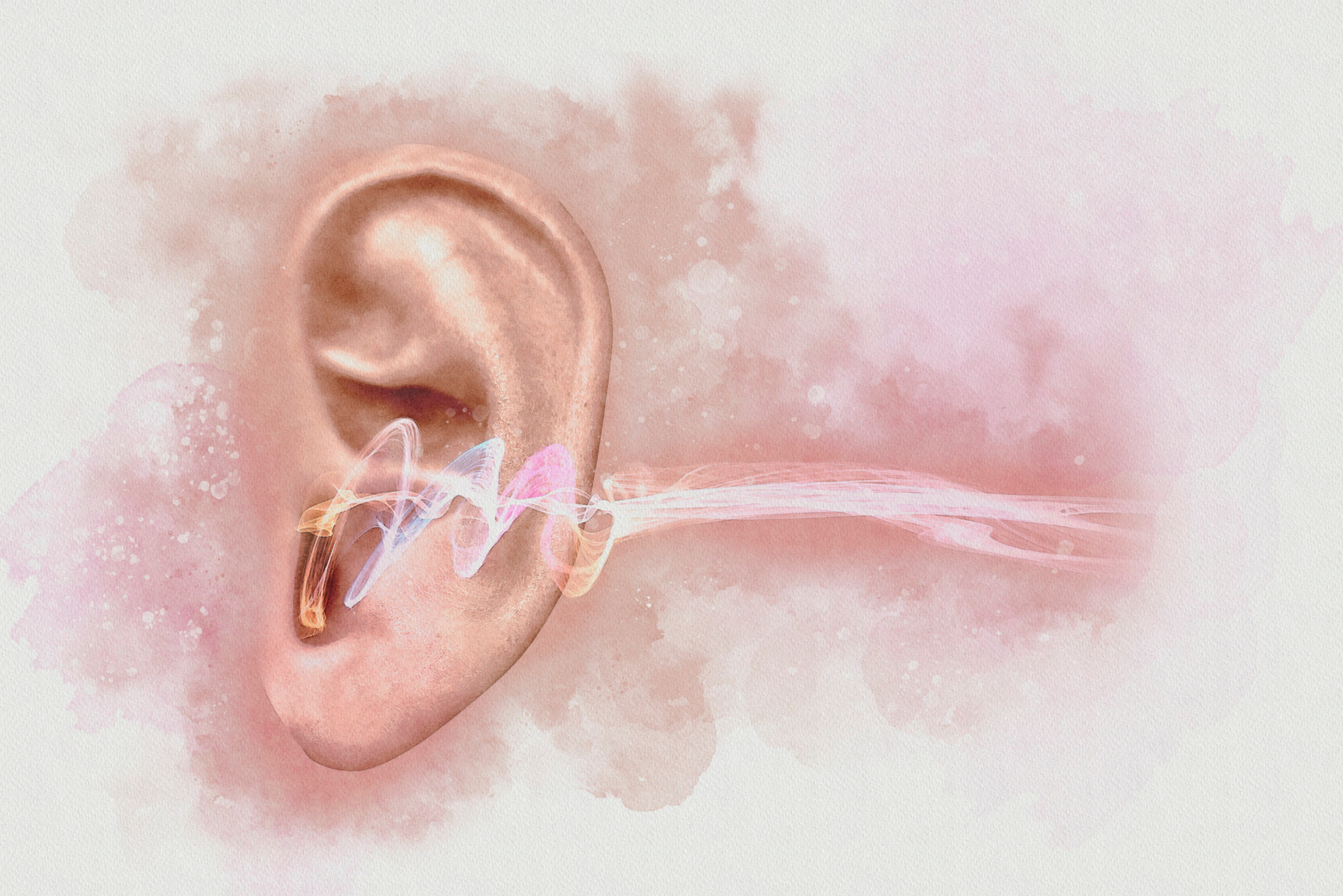
Vertigo Research & Balances
Balance disorders affect millions of individuals globally, causing symptoms such as dizziness, unsteadiness, and vertigo that can significantly disrupt daily life. These conditions stem from abnormalities in the vestibular system—the sensory system within the inner ear responsible for maintaining equilibrium. Recent advancements in research and technology are transforming how balance disorders are diagnosed, understood, and managed.
Common causes include benign paroxysmal positional vertigo (BPPV), Ménière’s disease, vestibular neuritis, and vestibular migraine.
Implantable Hearing Devices
Implantable hearing devices are surgically placed medical systems that improve hearing by delivering sound directly to the auditory system. Unlike traditional hearing aids, which amplify sound through the ear canal, implantable devices work by transmitting vibrations or electrical signals to the inner ear or auditory nerve.
These devices are often recommended when:
Current Role of Implantable Hearing Devices
Implantable hearing devices are surgically placed systems that bypass damaged parts of the auditory pathway to deliver sound more effectively. They are typically used in cases of:
Today’s systems include:
Key Areas of Future Research in Hearing Aids
AI-Powered Sound Processing
Next-generation hearing aids are being developed with AI algorithms that can analyse the user’s listening environment in real time and automatically adjust amplification settings. These intelligent devices learn from the user’s preferences and adapt to different situations—be it a quiet conversation, noisy traffic, or music—providing clearer, more natural sound.
Brain-Computer Interface (BCI) Integration
Researchers are exploring ways to integrate hearing aids with brain signals. Brain-Computer Interfaces could allow hearing aids to detect the listener’s intent—such as focusing on one voice in a crowd—and enhance that sound source specifically, minimizing background noise with unparalleled accuracy.
Neural-Adapted Sound Delivery
Studies are being conducted to deliver sound in a way that mimics the brain’s natural processing pathways. This neural-based customization aims to reduce listening fatigue and improve speech comprehension, especially in people with complex or profound hearing loss.
Real-Time Health Monitoring
Future hearing aids may double as health monitoring devices. Equipped with biosensors, they can track vital signs like heart rate, body temperature, and even detect early signs of neurological conditions such as Alzheimer’s disease or cognitive decline, making them multifunctional medical tools.
Understanding the Complexity of Tinnitus
Tinnitus is not a single disease but a symptom of underlying issues within the auditory system, often involving:
This complexity makes tinnitus a unique challenge for researchers, requiring a multidisciplinary approach involving otolaryngology, audiology, neurology, and psychiatry.