
Hearing Aids
At Praveen ENT Hospital, we offer comprehensive hearing solutions under one roof.
Hearing Aids
We offer a wide range of advanced hearing aids and personalized solutions to meet diverse hearing needs. With technological advancements, today’s hearing aids are designed to provide superior sound quality, comfort, and discretion.
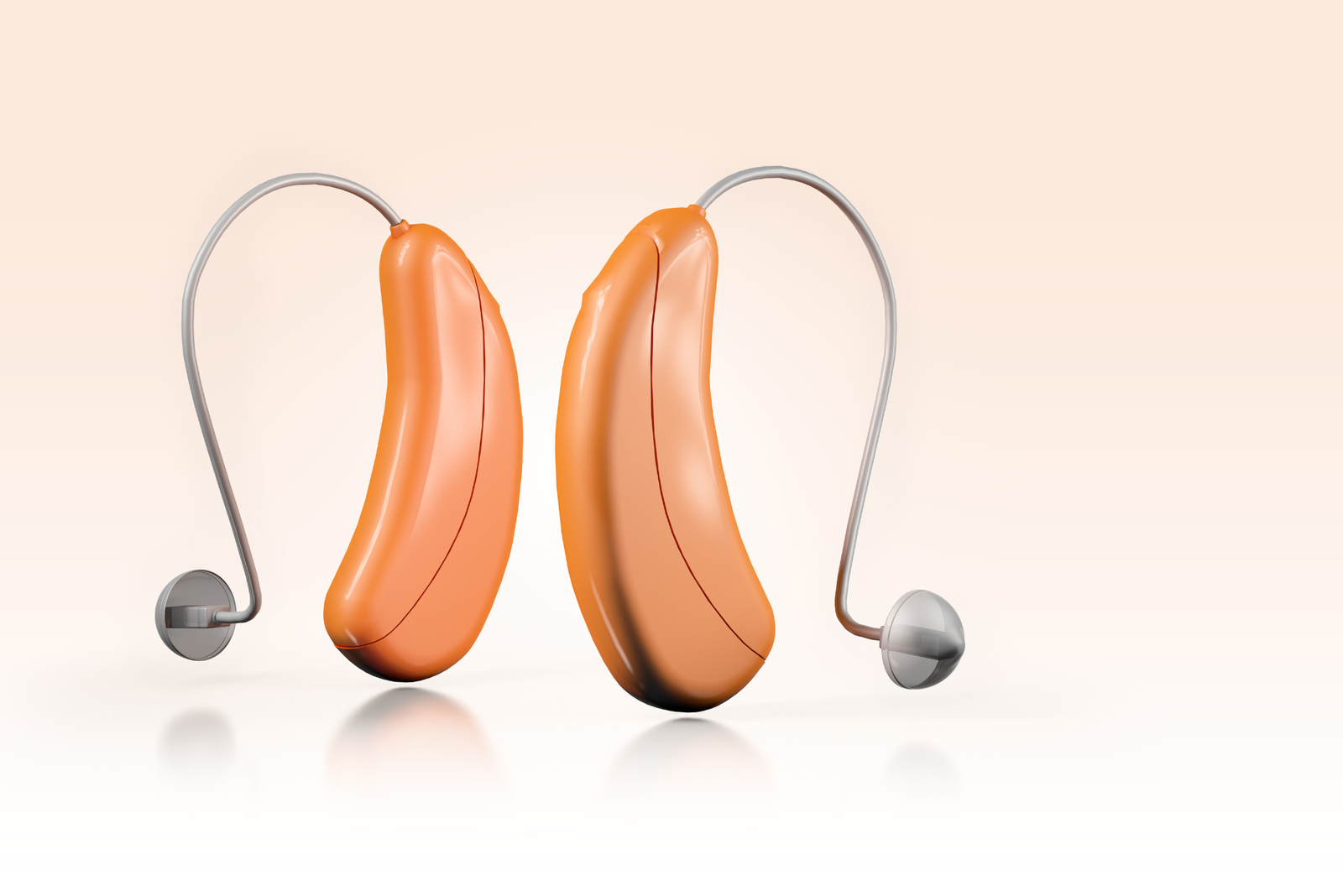
We provide six main types of hearing aids, each catering to different levels of hearing loss and lifestyle preference
1. CIC (Completely In the Canal hearing aid):
CIC hearing aid is the tiniest of all hearing aid’s and fits deep inside the ear canal and therefore almost virtually invisible. They are Convenient to wear, best sense of sound direction of all the hearing aid’s. Hence, CIC provide you hearing solutions up to 90 dB loss.
2. ITC (In The Canal hearing aid):
ITC compact hearing aid fits deeper in the ear canal and is only faintly visible. This type are cosmetically appealing and have better sense of sound direction than ITE hearing aid. Hence, ITC provide you hearing solutions up to 90 dB.
3. ITE (In The Ear hearing aid):
This hearing aid is designed to fit within the pinna of the ear. This type of hearing aids are convenient to wear and have cosmetically appealing, better sense of sound direction. Can be normally used with the telephone. Hence, ITE provide you hearing solutions up to 90 dB loss.
4. BTE (Behind The Ear hearing aid):
BTE external hearing aid fits snugly right behind the ear. BTE is attached to a custom earpiece moulded to the shape of your outer ear. It comes in small and mini-sizes. Ear level placement of the mike makes this aid superior in speech comprehension and sound direction compared to body level aids. BTE give you High power / high gain. hence, gives you hearing aid solutions upto 120 dB loss. BTE hearing aid’s ideally suits children.
5. Body level hearing aid:
Commonly referred to as a pocket hearing aid. This has microphone and electronics housed in a portable case that can be slipped into a pocket. A cord connects pocket hearing aid to the receiver in the ear.Bulkiest of all models. Long dangling cord can be cumbersome while working, difficult to use with telephone. Loss in sense of direction due to displaced microphone position.
6. Open-Ear-Fitting (OEF) hearing aid:
A radical advance in hearing aid design. Receiver in the canal (RIC) have ultra-small, sleek ear canal devices which use sophisticated sound processing technology. Therefore, RIC provides you hearing solutions to set a new standard in aesthetics and comfort.
Smart Hearing
Conventional Hearing Aids: Simplicity Meets Functionality
Traditional hearing aids are simple amplifiers with a volume control, but they require manual adjustments from the user. While these devices offer a set amplification, they often struggle to balance soft and loud sounds. This means soft sounds can be hard to hear, while loud sounds can become overwhelmingly loud.
Automated Technology: Effortless, Precision Sound
Say goodbye to manual adjustments. With automated hearing aid technology, your hearing device automatically adapts to varying sound environments. Whether it’s soft whispers or loud environments, automatic volume control ensures that the amplification adjusts for comfort, providing natural listening without the need for manual intervention.
Customized Listening Programs: Your Personal Sound Solution
Each person has unique hearing needs. Our customized listening programs adjust your hearing aid to your specific listening environments. Whether you’re in a quiet room or a noisy crowd, your hearing aid will optimize itself for clarity and comfort, delivering the best hearing experience possible.
Speech Enhancement & Noise Reduction: Crystal-Clear Conversations
One of the biggest challenges in hearing aids is distinguishing speech from background noise.Our advanced hearing aids feature speech enhancement and noise reduction technologies, which filter out distractions so you can focus on the conversation, even in noisy environments.
Hearing Specialist
Our team of ENT doctors and audiologists is dedicated to providing comprehensive care for all types of hearing problems. We start with a thorough analysis to understand the root cause of your hearing issues, and then work together to provide you with the most effective, personalized treatment options.
Whether you’re struggling with age-related hearing loss, ear infections, or more complex issues, our experts are here to ensure you get the right solution tailored to your needs. We not only focus on providing hearing aids, but also offer a full spectrum of medical treatments and advanced surgical options.
Do’s for Proper Hearing Aid Care
Switch Off When Not in Use
Turn off your hearing aid when you’re not using it. Leaving it on can cause unwanted feedback noises and attract pets, like dogs, who may chew on it, leading to irreparable damage.
Keep It Dry
Protect your hearing aid from water and moisture. Always remove it before bathing or swimming, and keep it away from rain or high humidity. Liquid exposure can damage internal components.
Consult Your ENT Specialist for Discomfort
If you experience irritation or discomfort, consult your ENT specialist. This could be due to pressure from the earmold or the device, especially if it is pressing against a sensitive area of your ear canal.
Don’ts to Avoid Hearing Aid Damage
Avoid Excessive Heat
Never dry your hearing aid using an oven or heat source. High temperatures can cause severe damage. Similarly, avoid storing your hearing aid in hot environments like your car dashboard or near a window in direct sunlight.
Prevent Drops and Falls
Hearing aids are delicate devices. Always handle them carefully and clean them on a stable surface to prevent accidental drops. A fall from even a short distance can damage their fragile components.
Avoid Inserting Foreign Objects
Never insert any objects into your hearing aid, as this can cause permanent damage to the device and affect its functionality.