
Anterior Skull Base Surgery
Anterior Skull Base Surgery is a highly specialized surgical technique used to treat complex conditions involving the skull base, particularly those that affect the pituitary gland.
Anterior Skull Base Surgery
Anterior Skull Base Surgery is a highly specialized surgical technique used to treat complex conditions involving the skull base, particularly those that affect the pituitary gland. The pituitary gland is a small but vital structure located at the base of the brain, behind the bridge of the nose, and it plays a crucial role in regulating important bodily functions such as growth, metabolism, and reproduction.
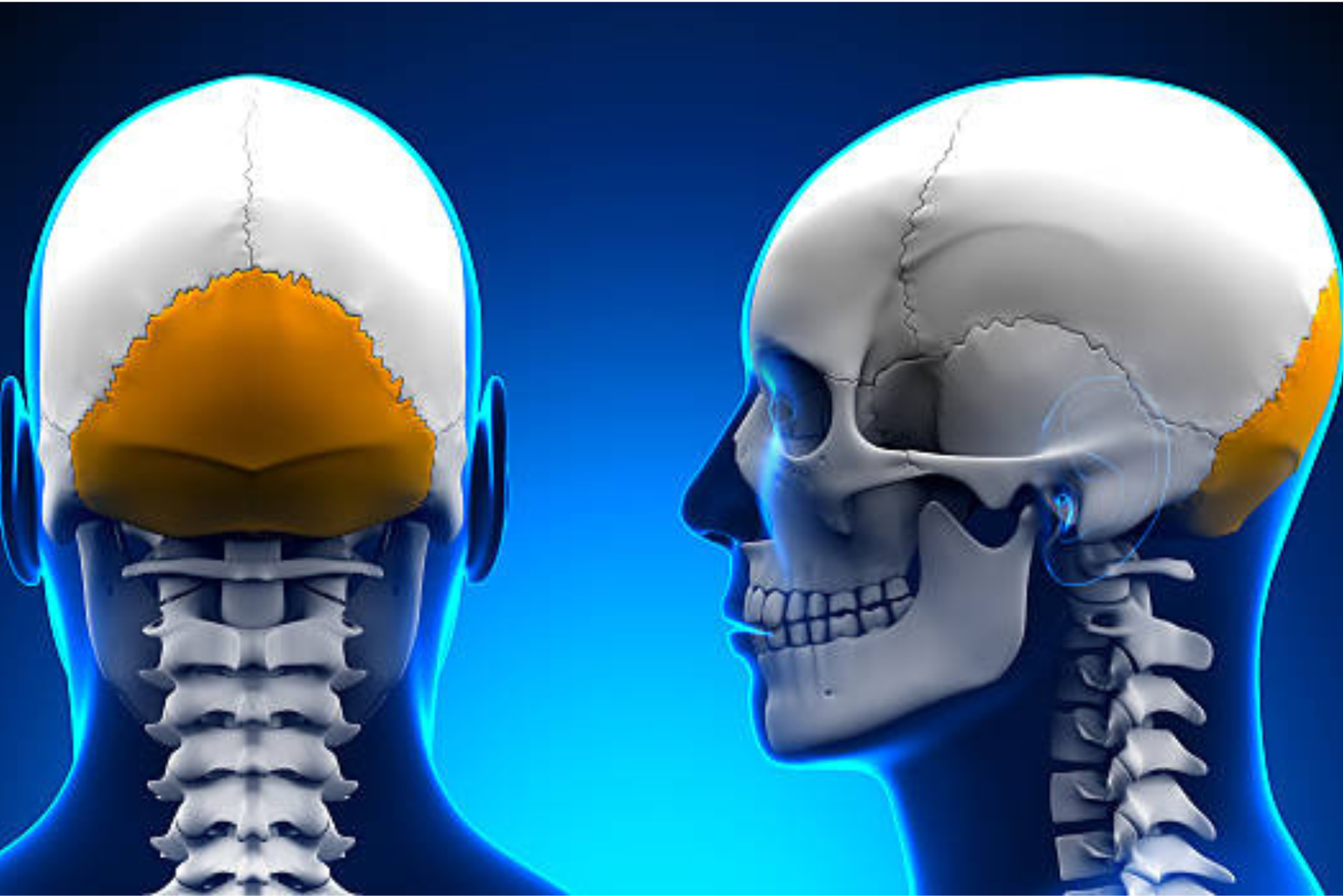
What is Anterior Skull Base Surgery?
Anterior Skull Base Surgery involves accessing the skull base to treat a variety of conditions, including pituitary tumours, cysts, cranial nerve disorders, and vascular anomalies. The procedure is most commonly used to remove tumours located near the pituitary gland or surrounding structures, such as the optic nerves, sinuses, and cavernous sinuses.There are two primary approaches to anterior skull base surgery:
Both techniques allow for the removal of tumours with minimal scarring, reduced recovery time, and lower risk of complications compared to traditional open surgery.
Conditions Treated by Anterior Skull Base Surgery
The most common condition treated with anterior skull base surgery is pituitary tumours, which can cause a range of symptoms due to the disruption of normal pituitary function, such as:
Benefits of Anterior Skull Base Surgery