
Black Fungus Surgery
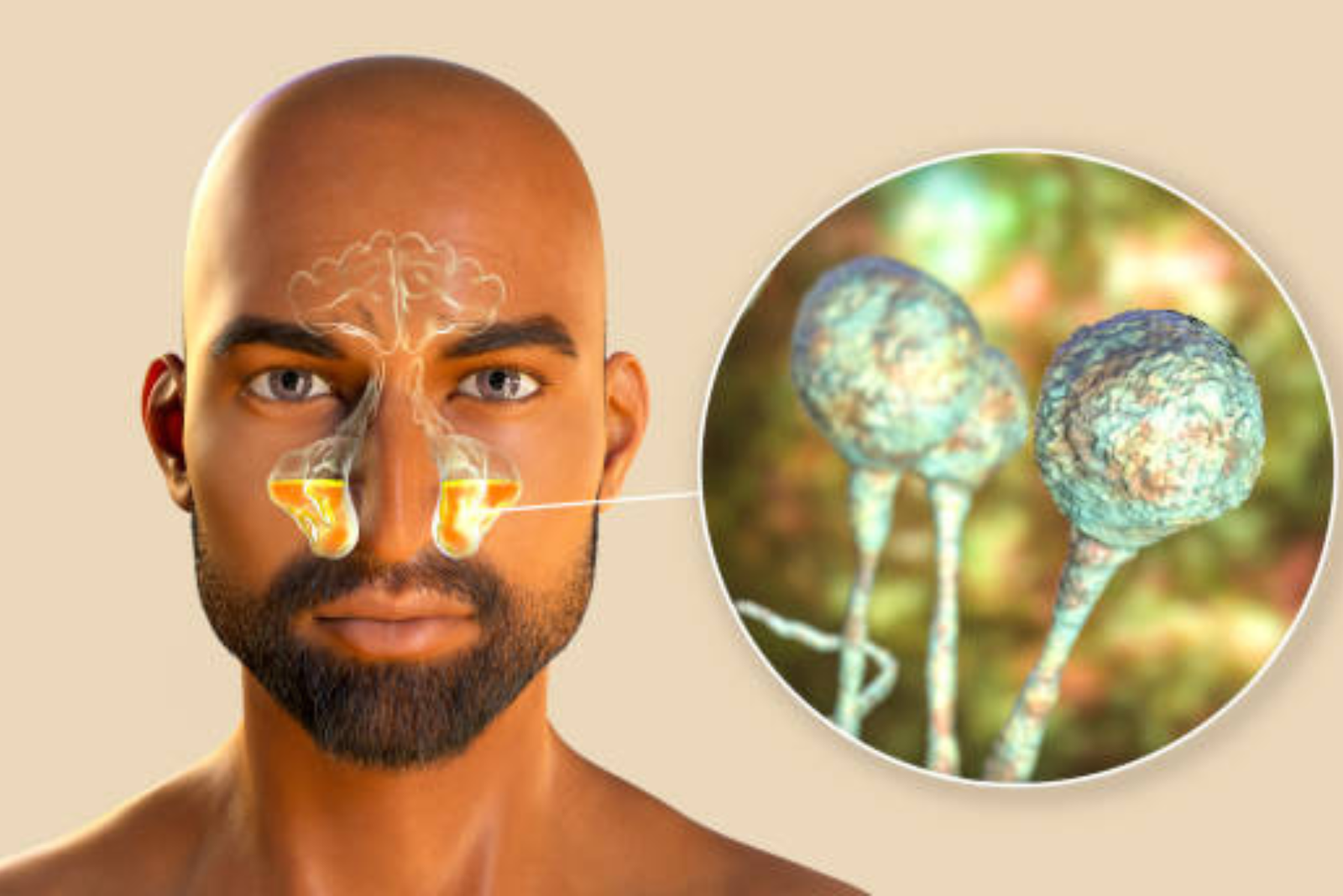
Mucormycosis, commonly known as Black Fungus, is a severe, rare fungal infection caused by a group of molds known as mucormycetes.
Black Fungus Surgery
Mucormycosis primarily affects the sinuses, lungs, and skin, but it can also invade other organs. The fungus thrives in environments with high levels of organic material, such as decaying plants, soil, and animal faeces. The infection often begins in the nasal passages or sinuses, rapidly spreading to surrounding tissues. It is characterized by rapid tissue death, which is why it is termed “Black Fungus” due to the blackened appearance of the affected tissue.
The infection spreads quickly and can cause extensive tissue damage, especially in the nasal cavity, eyes, and brain. Symptoms include nasal congestion, facial pain, swelling around the eyes, and blackened tissue in the nose or mouth.
When is Black Fungus Surgery Needed?
Surgical intervention is essential in treating mucormycosis, particularly when the infection has led to extensive tissue necrosis or spread to vital areas, such as the eyes, brain, or jaw. Black Fungus Surgery is used to:
How is Black Fungus Surgery Performed?
The surgery is typically performed under general anesthesia. The approach depends on the extent of the infection and the affected areas. Common surgical methods include:
Post-Surgical Care and Recovery
Post-surgical care is crucial to ensure complete recovery and prevent the recurrence of the infection. Patients may require: